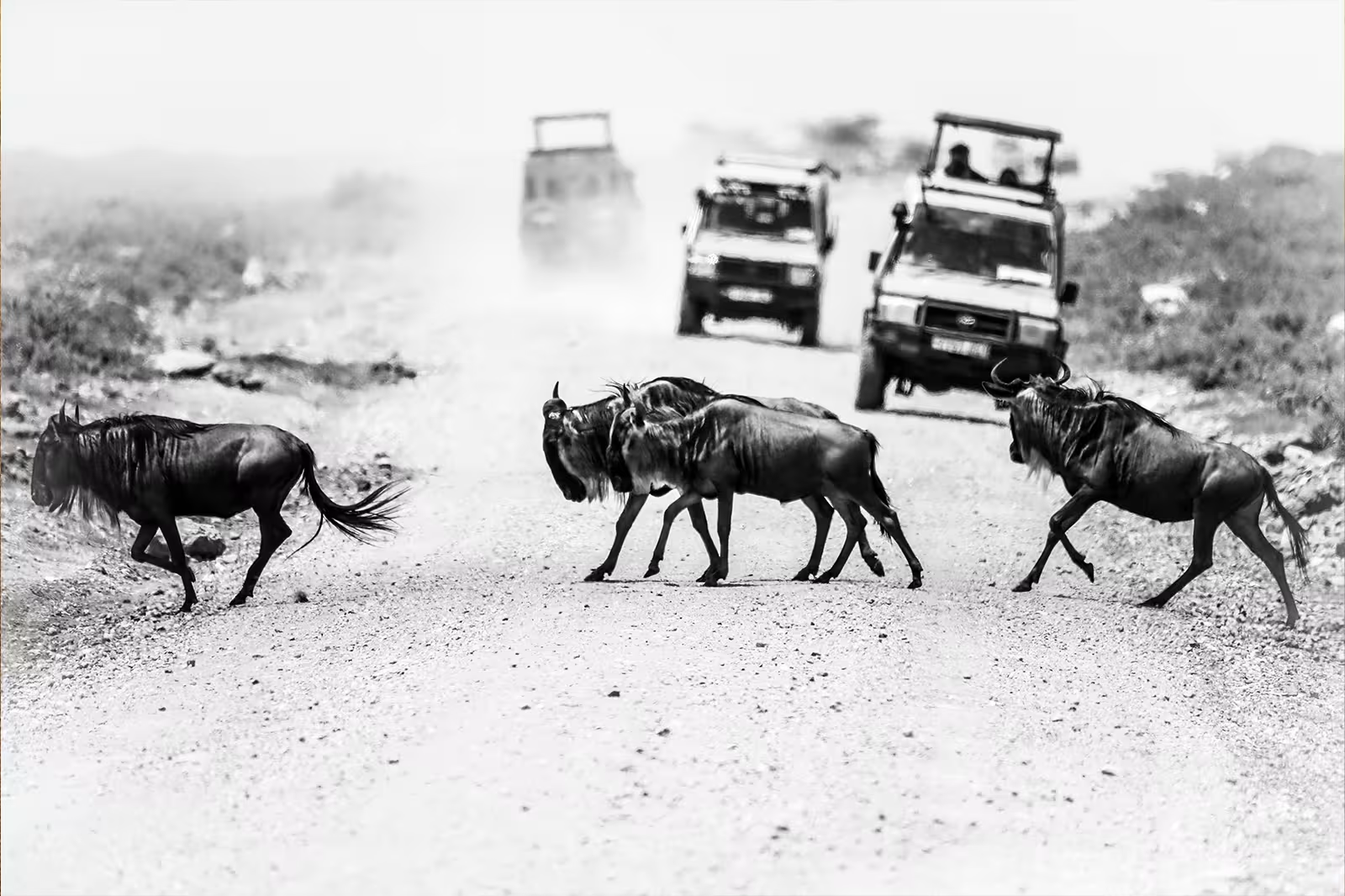
Why the Serengeti is Unlike Anywhere Else
The Serengeti-Mara ecosystem has been continuously inhabited by wildlife for over a million years — making it one of the few places on Earth where natural processes remain essentially intact. No other place offers the combination of sheer animal abundance, landscape variety, and dramatic wildlife action that the Serengeti delivers year-round.
Its name means 'endless plains' in Maasai — an apt description. The park stretches from the short-grass plains of the south through acacia woodlands in the centre to the rolling hills and riverine forest of the north. Each zone supports different wildlife communities and offers distinct experiences.
The Best Areas of the Serengeti
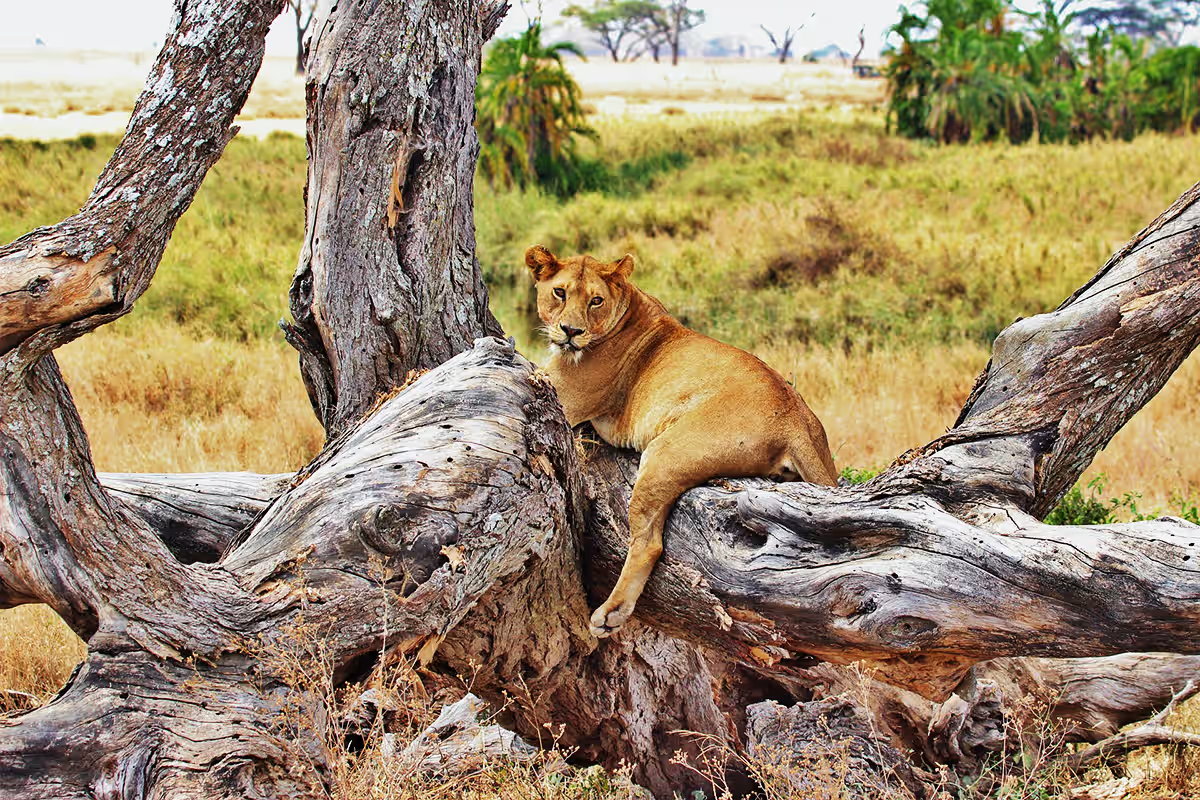
Seronera Valley (Central Serengeti)
The heart of the Serengeti — and the most consistently rewarding area for game viewing year-round. Permanent rivers support large concentrations of predators: resident lion prides, leopards in the fever tree forests, and cheetahs across the open plains. This is the base for our fly-in fly-out safari guests.
Northern Serengeti – Kogatende
The migration reaches here July–October, making this the site of the famous Mara River crossings. Remote, less visited outside peak season, and home to a different wildlife community including topi, eland, and large elephant herds. AMG Safaris' migration fly-in camps are based here.
Southern Plains – Ndutu
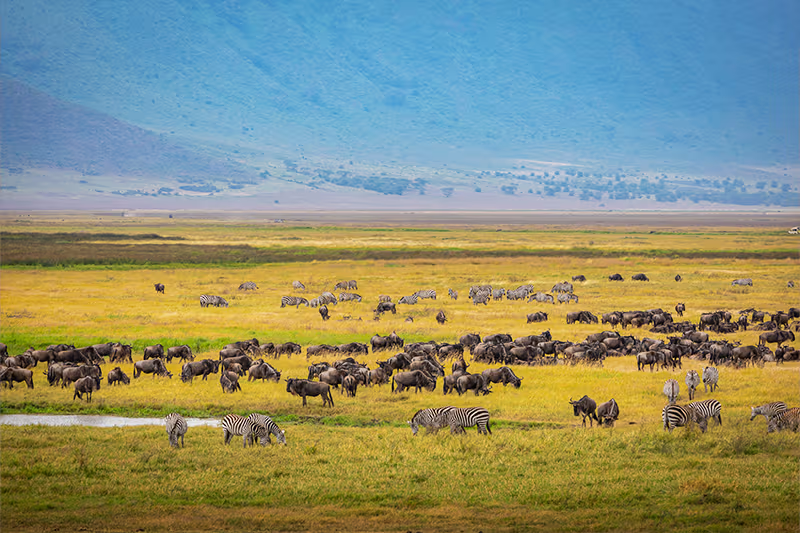
The calving season (December–March) turns the southern Ndutu plains into Africa's greatest wildlife spectacle. Vast herds of wildebeest and zebra, thousands of newborn calves, and the predators that follow them in extraordinary numbers.
Western Corridor
The Grumeti River flows through this section, creating a second set of river crossings (May–June) and year-round hippo and crocodile viewing. Less visited than the central or northern zones, with excellent bird diversity.
Top Wildlife Sightings
- Lion: Serengeti holds the world's largest lion population — an estimated 3,000 individuals
- Cheetah: The open plains are the best habitat for cheetah viewing in Africa
- Leopard: The Seronera Valley's riverine forest is one of the best leopard habitats on the continent
- Elephant: Northern corridor and central Serengeti have large resident herds
- Wildebeest: 1.5 million individuals plus 250,000 zebra in the migration herds
How to Get to the Serengeti
The Serengeti is most commonly accessed from Arusha (Tanzania's safari capital) either by road (5–6 hours via Ngorongoro) or by light aircraft to one of several airstrips (Seronera, Kogatende, Ndutu). Flying gives you more time in the park and access to remote camps.
Our 3-Day Migration Crossing flies you directly to Kogatende. The 4-Day Fly-In from Zanzibar lands at Seronera.
Book your Serengeti camp based on the season — not just convenience. We move our guests between Ndutu camps (Dec–March) and Kogatende camps (Jul–Oct) to ensure you're always positioned where the action is.
Ready to Experience Tanzania?
Turn this article into your reality. Our experts will design your perfect safari — no obligation.