What Is the Great Migration?
The Great Migration is not a single event — it is a year-round, continuous movement of wildlife across the Serengeti-Mara ecosystem. Driven by rainfall and fresh grass, the herds follow a roughly clockwise route covering over 800 kilometres annually.
While 'migration' conjures images of the famous Mara River crossings, the reality is far richer: calving season spectacles, predator frenzies, grass-stripping stampedes, and months of dramatic savannah scenes across different parts of Tanzania.
The Annual Migration Route
December – March: Calving Season in Ndutu
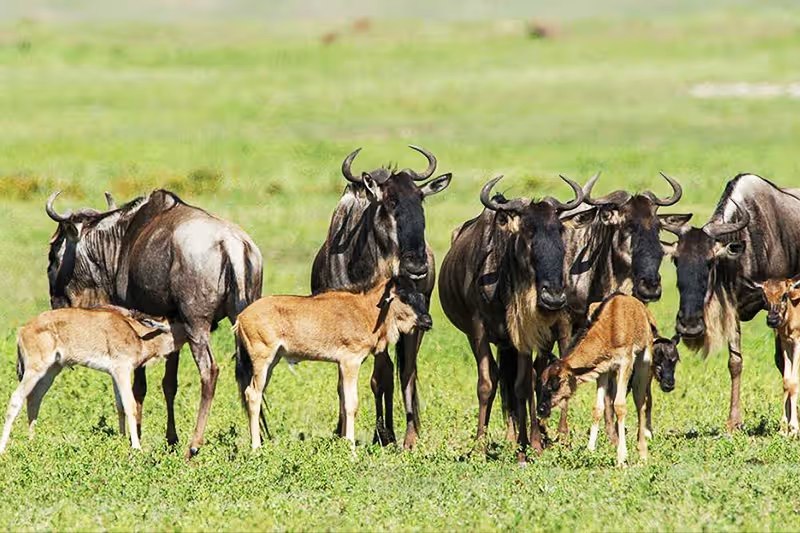
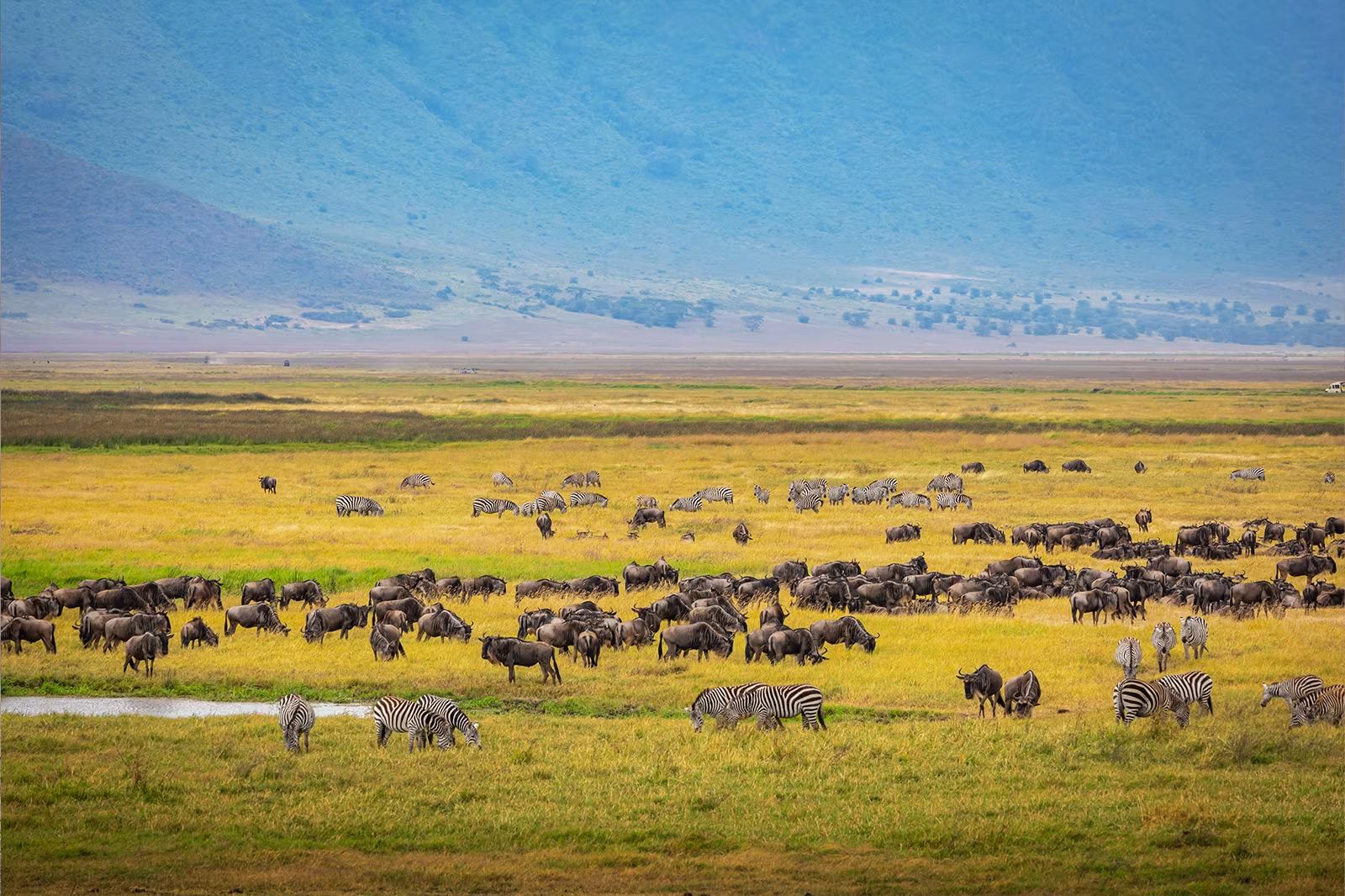
The herds congregate on the short-grass plains of the southern Serengeti and Ndutu. Around 500,000 wildebeest calves are born in a six-week window. The concentration of predators — cheetahs, lions, wild dogs, hyenas — is staggering. This is one of the most spectacular wildlife events on the continent.
April – May: Western Corridor
Heading north-west, the herds cross the Grumeti River (first major crossing). Crocodiles await. The western Serengeti offers dramatic but less-photographed crossing points.
June – July: Moving North
The vast columns advance through the central and northern Serengeti. The Seronera Valley — with its permanent water — attracts predators year-round. River crossing attempts begin at Retima.
July – October: Mara River Crossings
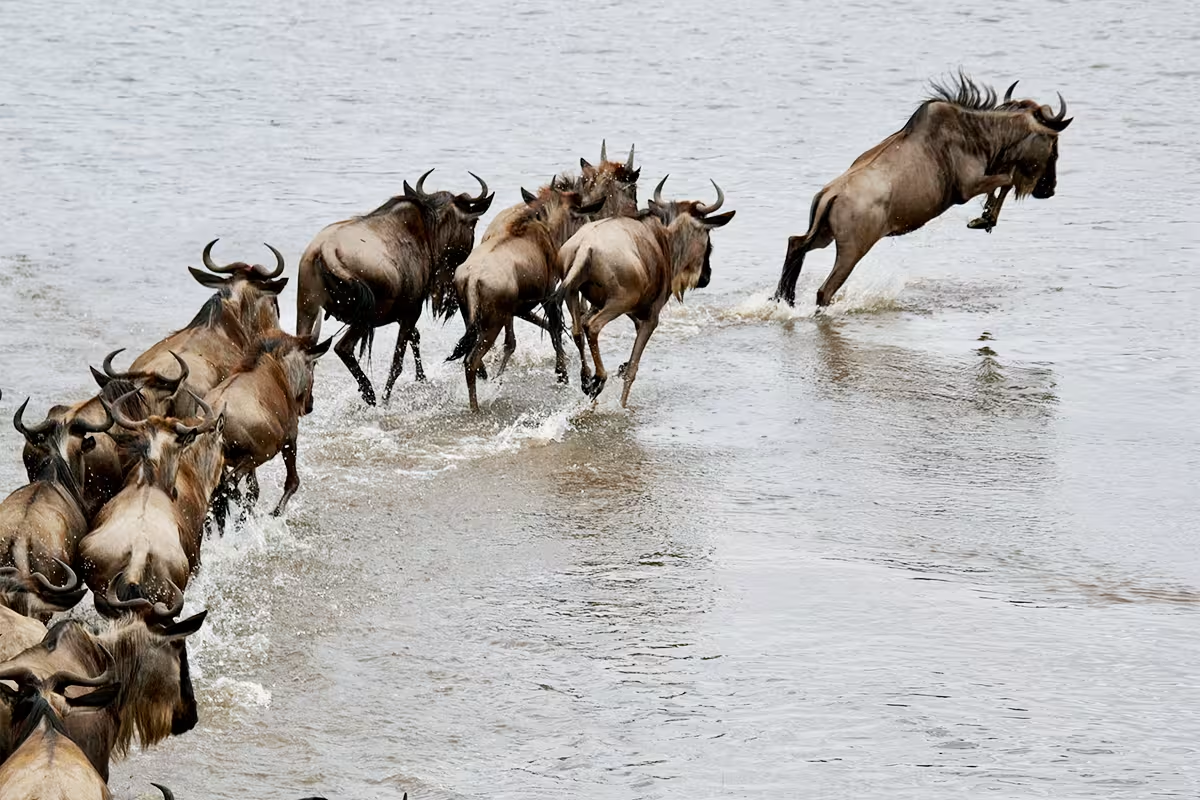
The most photographed spectacle in wildlife photography. Massive herds gather on the south bank of the Mara River at Kogatende before summoning the courage to plunge across crocodile-infested waters. Crossings are unpredictable — herds may turn back dozens of times before committing. They happen multiple times per day when conditions are right.
River crossings peak July–September. Our 3-Day River Crossing Safari flies you directly to Kogatende, the best viewing point.
November – December: Return South
As the short rains arrive, the herds trek south through the eastern Serengeti. The cycle begins again.
Top Tips for Seeing the Migration
- Time it right — July–September for crossings, January–March for calving
- Stay in the right area — Kogatende for river crossings, Ndutu for calving
- Allow multiple days — crossings are unpredictable; patience is rewarded
- Use a private vehicle — the flexibility to wait at crossing points is essential
- Book early — peak season camps fill months in advance
River Crossing Etiquette
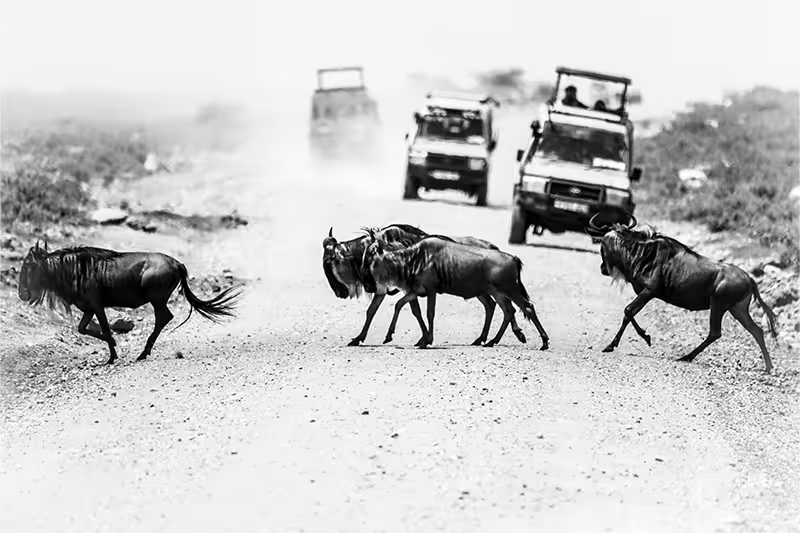
Crossing sites can be crowded with vehicles during peak season. A good guide will position you correctly and ensure you don't disturb the herds — patience at a distance almost always results in a better sighting than rushing close. AMG Safaris guides are trained in responsible wildlife viewing.
The crossings are never guaranteed. Some of our best migration safaris have involved watching enormous predator hunts, mass stampedes, and dramatic kills — without a single crossing. The migration delivers regardless.
Ready to Experience Tanzania?
Inspired? Turn this article into your reality. Our experts are on hand to design your perfect safari — no obligation, no pressure.