Tanzania's Two Main Seasons
Tanzania's climate is governed by two wet seasons and two dry seasons. Understanding them is the foundation of smart safari planning.
- Long Rains (March–May): Heavy afternoon rains, lush green scenery, far fewer tourists, lower prices. Good wildlife viewing in Tarangire.
- Short Rains (November–December): Lighter showers, mostly in the afternoon. Green landscapes, new-born animals, good birding.
- Long Dry Season (June–October): Peak season. Sparse vegetation means easy wildlife spotting. The Great Migration river crossings occur July–September.
- Short Dry Season (January–February): Hot and dry in the north. The calving season in Ndutu attracts predators in huge numbers.
Month-by-Month Breakdown
January – February: Calving Season
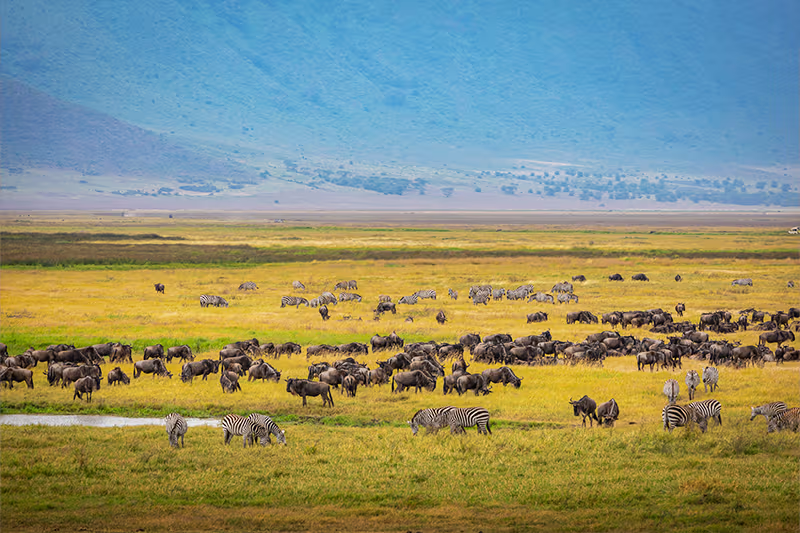
The short dry season brings spectacular wildlife action to the Ndutu plains, south-western Serengeti. Around 500,000 wildebeest calves are born between late January and mid-March. Predator density here is extraordinary — cheetahs, lions, hyenas and wild dogs take full advantage. This is arguably the most dramatic wildlife event you can witness.
Book our 4-Day Calving Season Safari — designed specifically around the January–March Ndutu phenomenon.
March – May: The Long Rains
A quieter time on safari — prices drop, crowds thin, and the Serengeti turns brilliantly green. Tarangire is outstanding; elephants are easier to spot near the river. The migration is in the western Serengeti during April–May. Not ideal for photographic light, but excellent value.
June – July: The Migration Moves North
The dry season arrives and wildlife congregates around water sources. The massive wildebeest herds begin their northward push through the central and western Serengeti. By late June, the first river crossing attempts begin at the Grumeti River. This is when safari camps start filling quickly — book well in advance.
August – September: Peak Mara River Crossings
The most sought-after window for migration safaris. The herds are in the northern Serengeti and the Masai Mara (Kenya), and the Mara River crossings happen with dramatic regularity. Crocodile-filled waters, massive animal stampedes, predators at every turn. This is peak season — and peak prices.
Our 3-Day Mara River Crossing Safari flies you directly to Kogatende for front-row seats.
October: The Herds Return South
The migration begins moving south again. Excellent game viewing continues in the northern Serengeti and Ngorongoro. The short rains typically arrive in November, transforming the landscape to vivid green once more.
November – December: Green Season Magic
The short rains bring lighter, afternoon showers and fresh landscapes. Baby animals appear across the parks. Tarangire is magnificent — enormous elephant herds and 550+ bird species including migratory species. Lodge rates drop and availability is high.
Best Parks by Season
Serengeti: Best July–September for crossings; December–March for calving in the south; excellent year-round.
Ngorongoro Crater: Outstanding year-round — the enclosed ecosystem means wildlife is always visible.
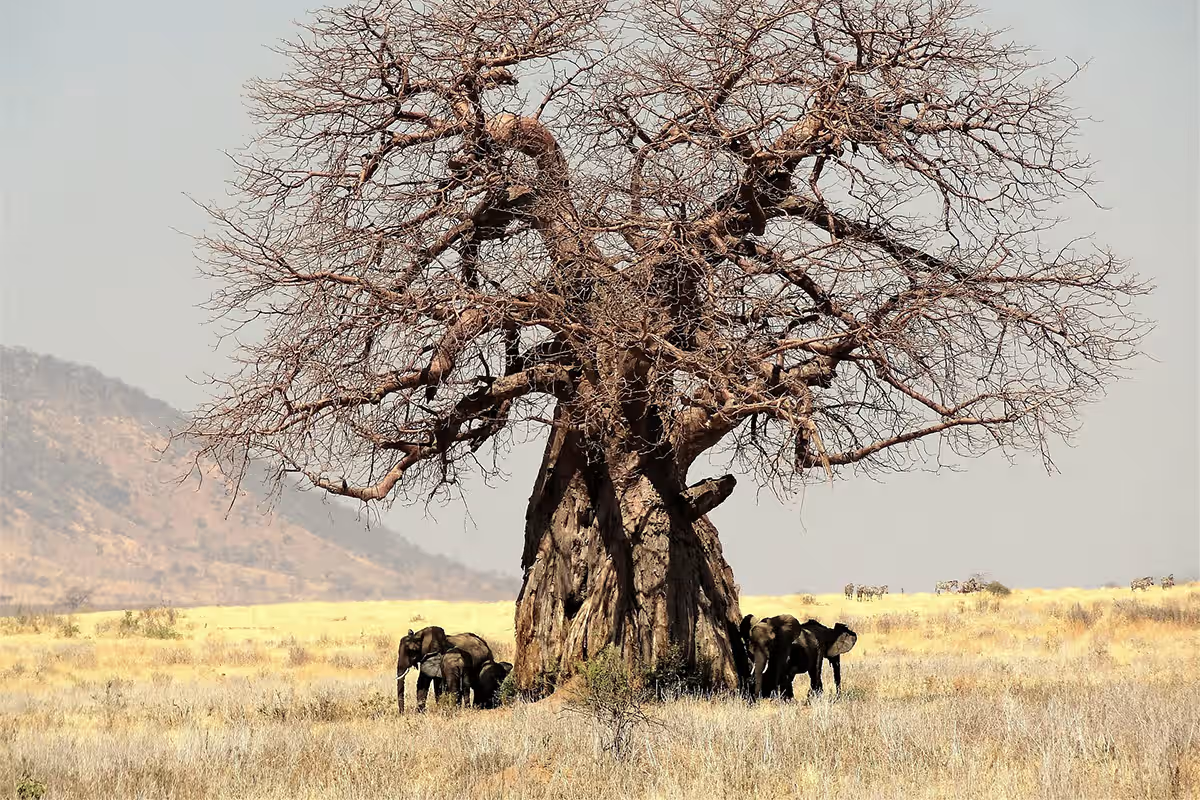
Tarangire: At its peak June–October when the river is the only water source for miles. Massive elephant herds.
Lake Manyara: Flamingos and tree-climbing lions year-round. Best birding November–April.
No matter when you travel, Tanzania delivers. The 'best time' is ultimately the time you can make it — we've had clients have life-changing experiences in every single month of the year.
Our Recommendation
For most travellers, July–September offers the most dramatic wildlife action but comes at peak prices and occupancy. January–February for the calving season is extraordinary and often overlooked. If budget matters, November–December gives excellent wildlife viewing at lower rates.
Ready to Experience Tanzania?
Inspired? Turn this article into your reality. Our experts are on hand to design your perfect safari — no obligation, no pressure.