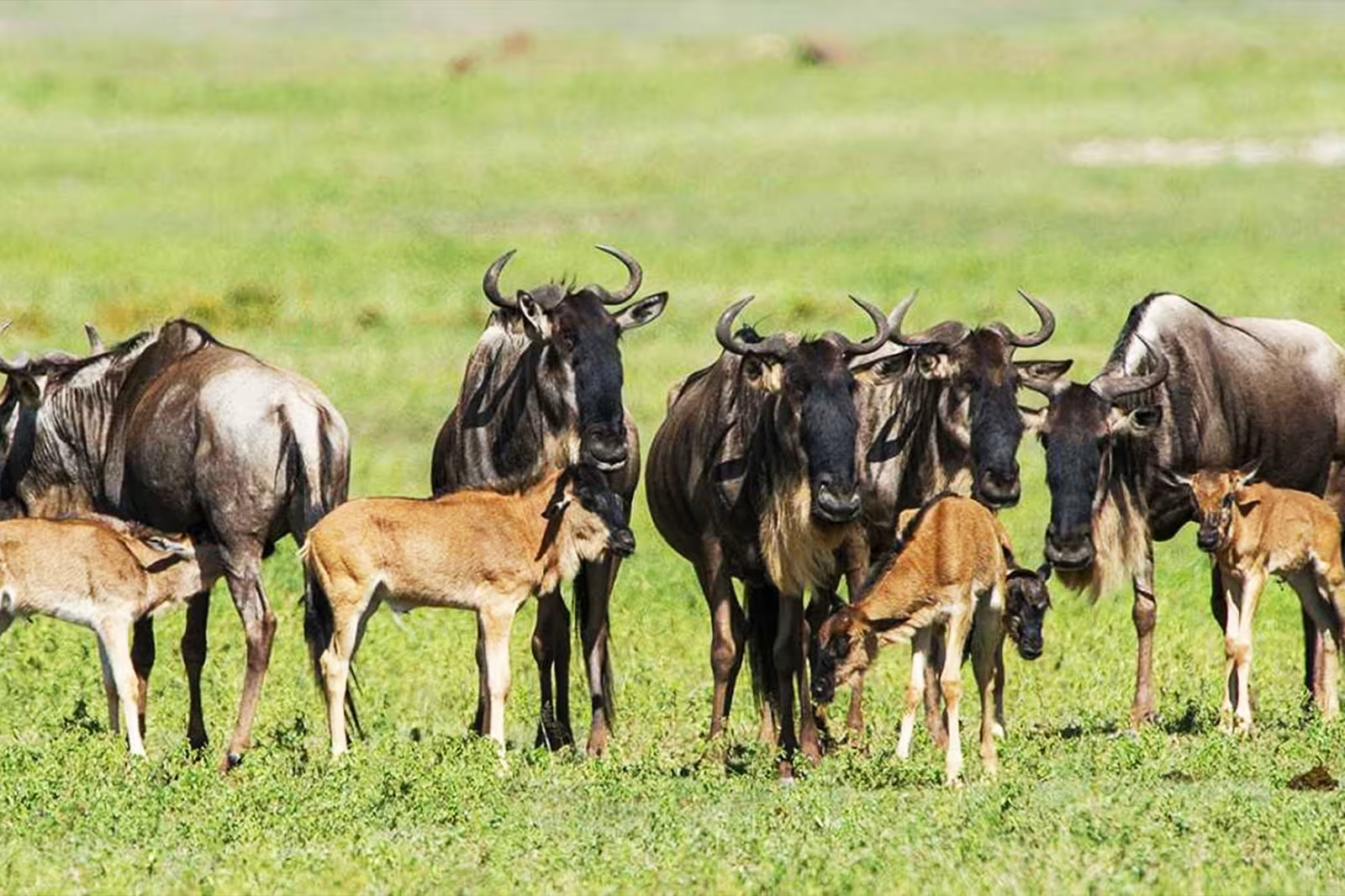
What Is the Calving Season?
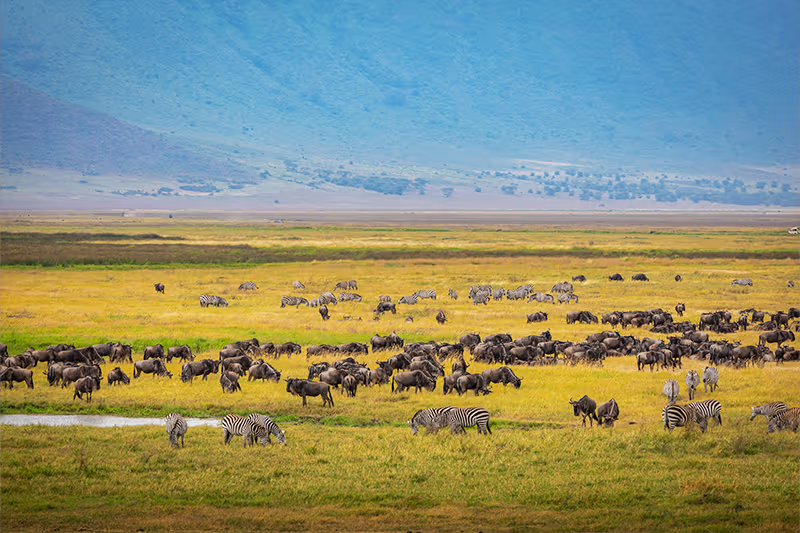
After the wildebeest migration has circled through the Serengeti and northern region, the herds return south to the nutrient-rich short-grass plains of the Ndutu area — part of the greater Ngorongoro-Serengeti ecosystem. Here, the females give birth in a tightly synchronised window.
This synchrony is a survival strategy: by flooding the landscape with newborn calves simultaneously, the predator population is overwhelmed. Calves can walk within minutes of birth and run within hours — an extraordinary adaptation for survival on open plains.
The Numbers
- Up to 500,000 calves born in a 6-week window
- Approximately 8,000 calves born per day at peak calving
- Predator density during calving season is among the highest recorded anywhere
- Cheetah, lion, hyena, wild dog, and jackal all concentrate in the Ndutu area during this period
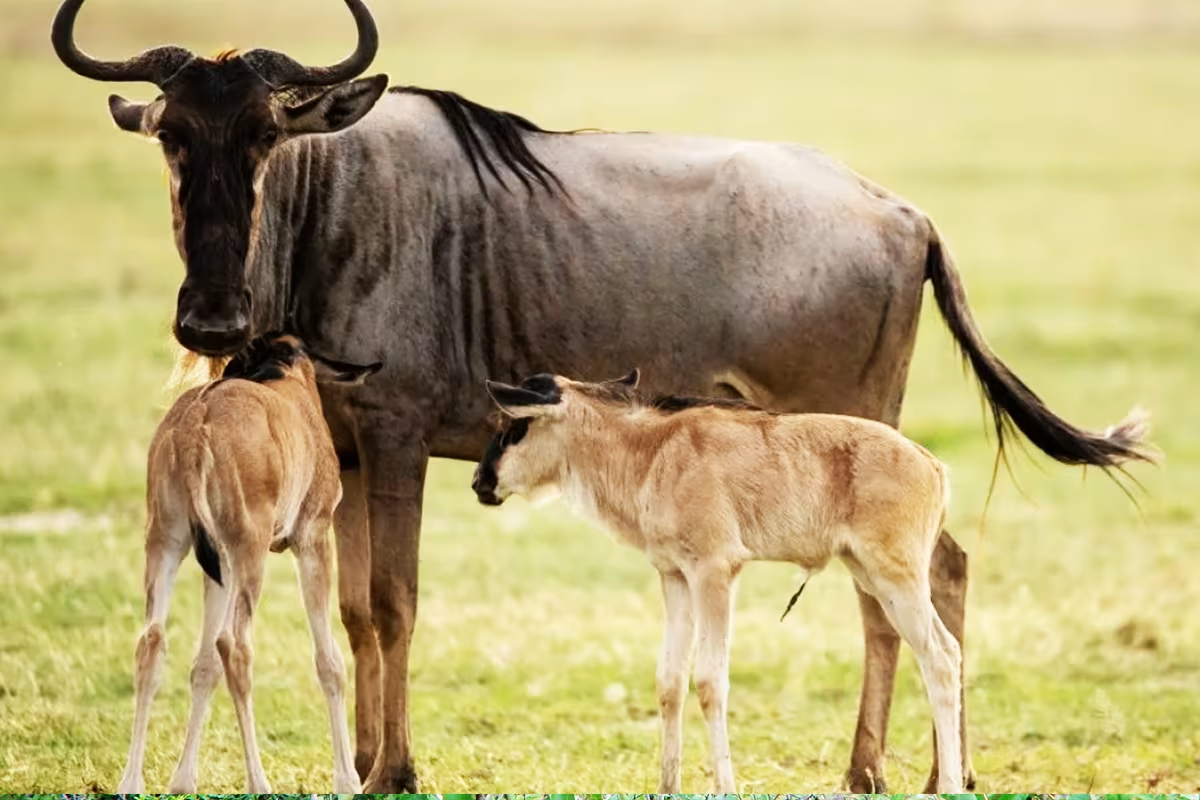
Why This Is Africa's Greatest Wildlife Event
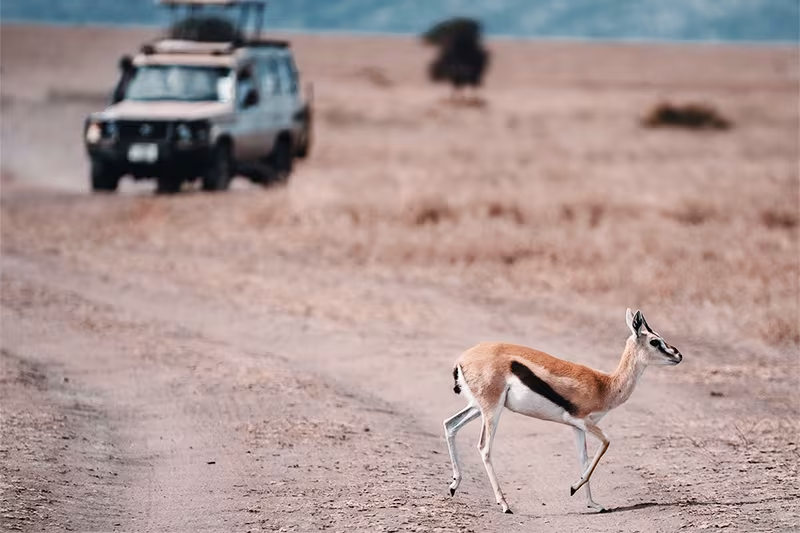
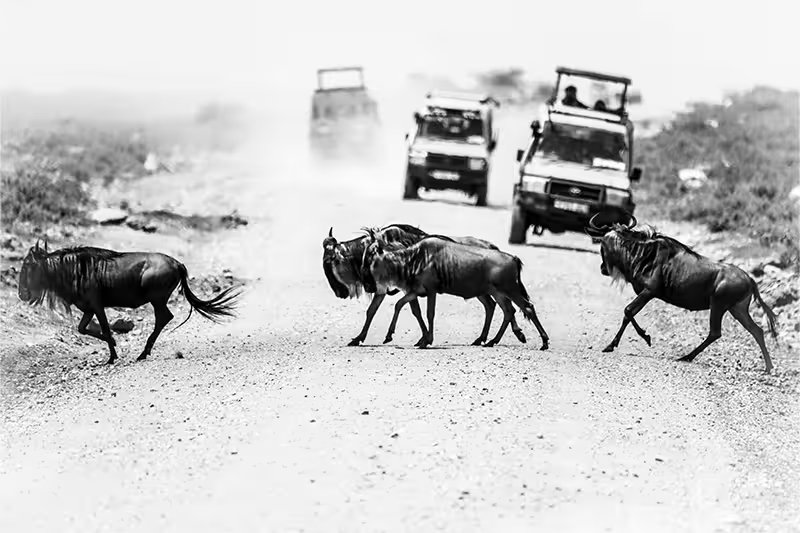
Unlike the Mara River crossings — which can be crowded with vehicles — the Ndutu calving season plays out across vast open plains. You position your vehicle wherever the action is, and the action is everywhere: a lion family with fresh cubs hunting alongside a cheetah mother teaching her own cubs; hyena clans managing multiple kills simultaneously; hundreds of calves attempting first steps while their mothers instinctively shield them.
When to Go
The calving season typically runs from mid-January to mid-March, with peak activity in late January and February. The rains return from March onwards, dispersing the herds northward — the next chapter of the annual migration cycle.
Our 4-Day Calving Season Safari is specifically designed for January–March, with accommodation at Sero Tented Camps in the heart of the Ndutu plains.
What to Expect Day-to-Day
- Early morning drives (5:30–6:00 am departure) when cats are most active
- Full-day game drives possible — picnic lunches in the bush
- Evening drives for hyena activity
- Expect dust, vast open skies, and wildlife encounters unlike anything else
The best Ndutu camps have limited capacity and sell out for peak calving season (late January–February) months in advance. We recommend booking by October for the following calving season.
Ready to Experience Tanzania?
Turn this article into your reality. Our experts will design your perfect safari.