Luggage Rules First
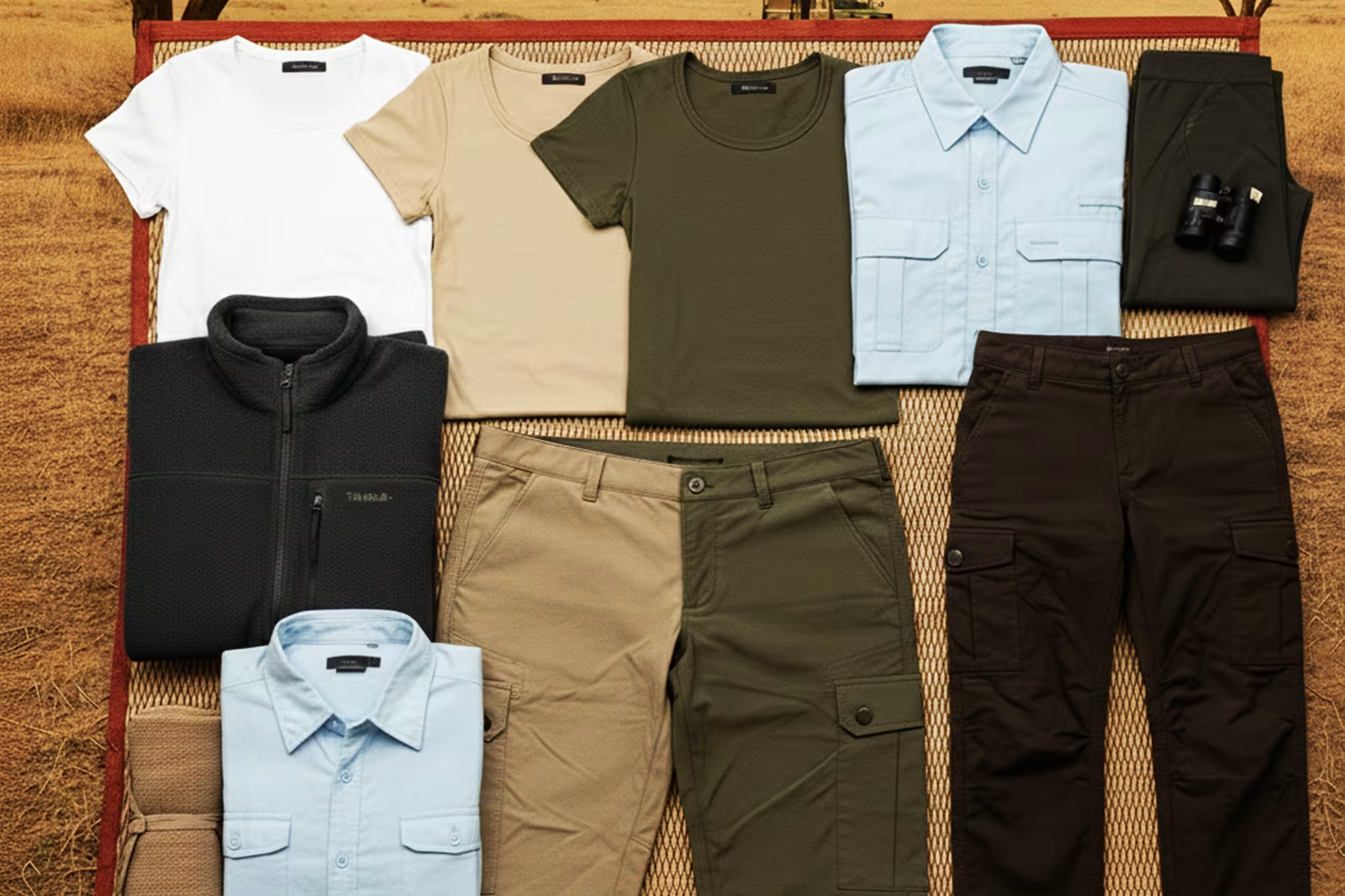
Most safari camps and lodge-to-lodge flights have strict baggage allowances: typically 15 kg (33 lbs) in a soft-sided bag. Hard-shell suitcases are impractical in Land Cruisers. Pack in a duffel or soft bag that can be squashed into a plane's cargo hold.
Clothing: The Neutral Palette Rule
Wildlife reacts to movement and silhouette more than colour — but bright clothing can spook animals and reduces photo opportunities. Stick to earth tones.
- 3–4 lightweight long-sleeve shirts (olive, khaki, tan, grey)
- 2 pairs of convertible trousers (zip-off legs double as shorts)
- 1 pair of shorts for camp
- 1 fleece or light down jacket — mornings and evenings in the Serengeti can be cold
- 1 waterproof shell jacket
- Comfortable walking shoes or boots (no need for heavy hiking boots for vehicle safaris)
- Sandals for camp use
- Wide-brimmed sun hat — essential
- Buff/neck gaiter for dust in open vehicles
- Swimsuit (most camps have pools)
Camera Gear
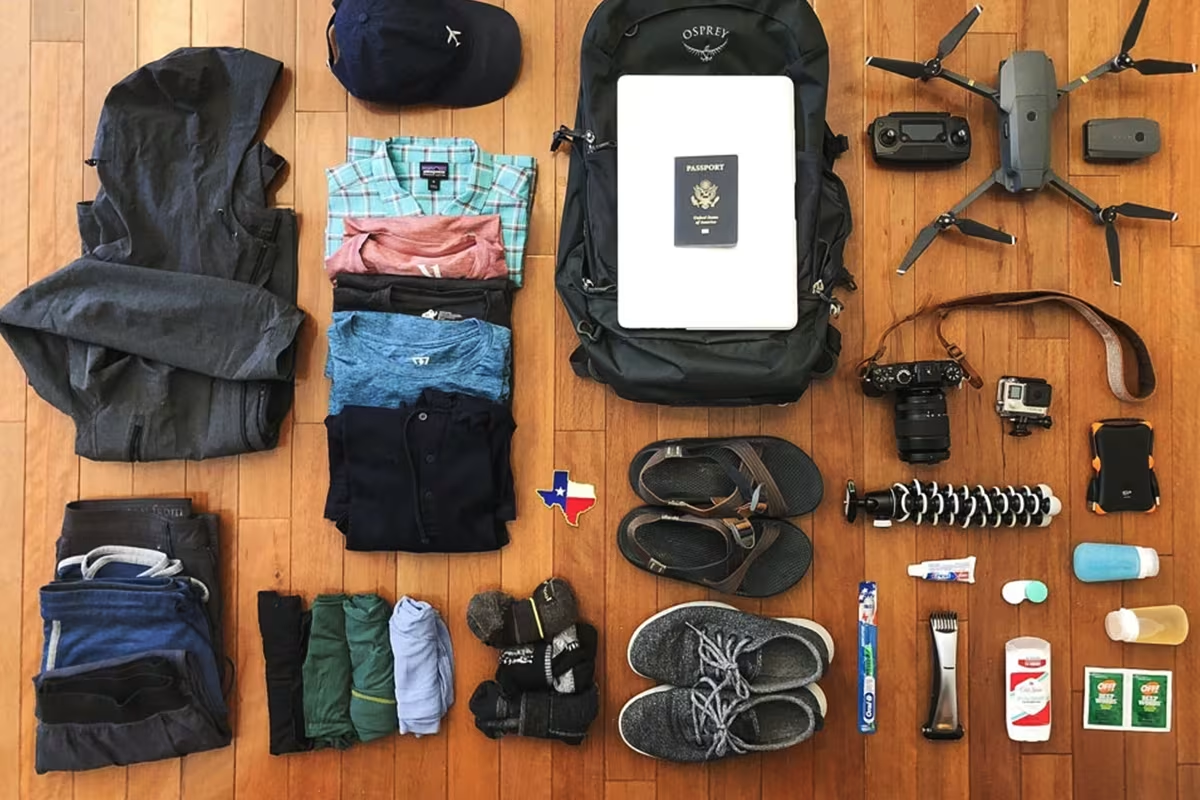
- Camera body with a zoom lens — minimum 300mm, ideally 400–600mm for wildlife
- A wide-angle lens for landscapes and camp shots
- Extra batteries — power may be limited in remote camps
- Large memory cards — you will take more photos than you expect
- Lens cloth and dust blower — essential
- GorillaPod or bean bag for vehicle-mounted shots
- Small backpack for daily game drives
Modern smartphone cameras (iPhone 15 Pro, Samsung S24 Ultra) are capable of excellent safari photography in good light. Bring a clip-on telephoto lens adapter for better reach.
Health & Medical Essentials
- Prescription malaria prophylaxis (consult your doctor — Malarone or Doxycycline are most commonly recommended)
- DEET-based insect repellent (30–50% concentration)
- High-SPF sunscreen (factor 50+)
- Hydrocortisone cream for insect bites
- Oral rehydration salts
- Personal prescription medications in sufficient supply
- Basic first-aid kit
- Travel insurance documents
The Things Most People Forget
- Binoculars: 8×42 or 10×42 — transformative for distant wildlife
- Power bank: Charging points are limited in vehicles
- US dollars in small bills: Tips, curio purchases, and some parks still accept cash
- Neutral-coloured day bag: For your camera, water, and daily essentials in the vehicle
- Earplugs: Bush camps can be unexpectedly loud at night
What NOT to Bring
- Bright-coloured clothing (blue and white especially attract tsetse flies)
- Hard-sided luggage
- Perfume or strong fragrances near wildlife areas
- Too many electronics that need charging
- Camouflage clothing (illegal in Tanzania)
If your itinerary includes light aircraft transfers — like our 4-Day Fly-In from Zanzibar or 3-Day River Crossing — the 15 kg soft bag limit is strictly enforced. We advise guests to leave non-essentials at a hotel in Arusha.
Ready to Experience Tanzania?
Inspired? Turn this article into your reality. Our experts are on hand to design your perfect safari — no obligation, no pressure.