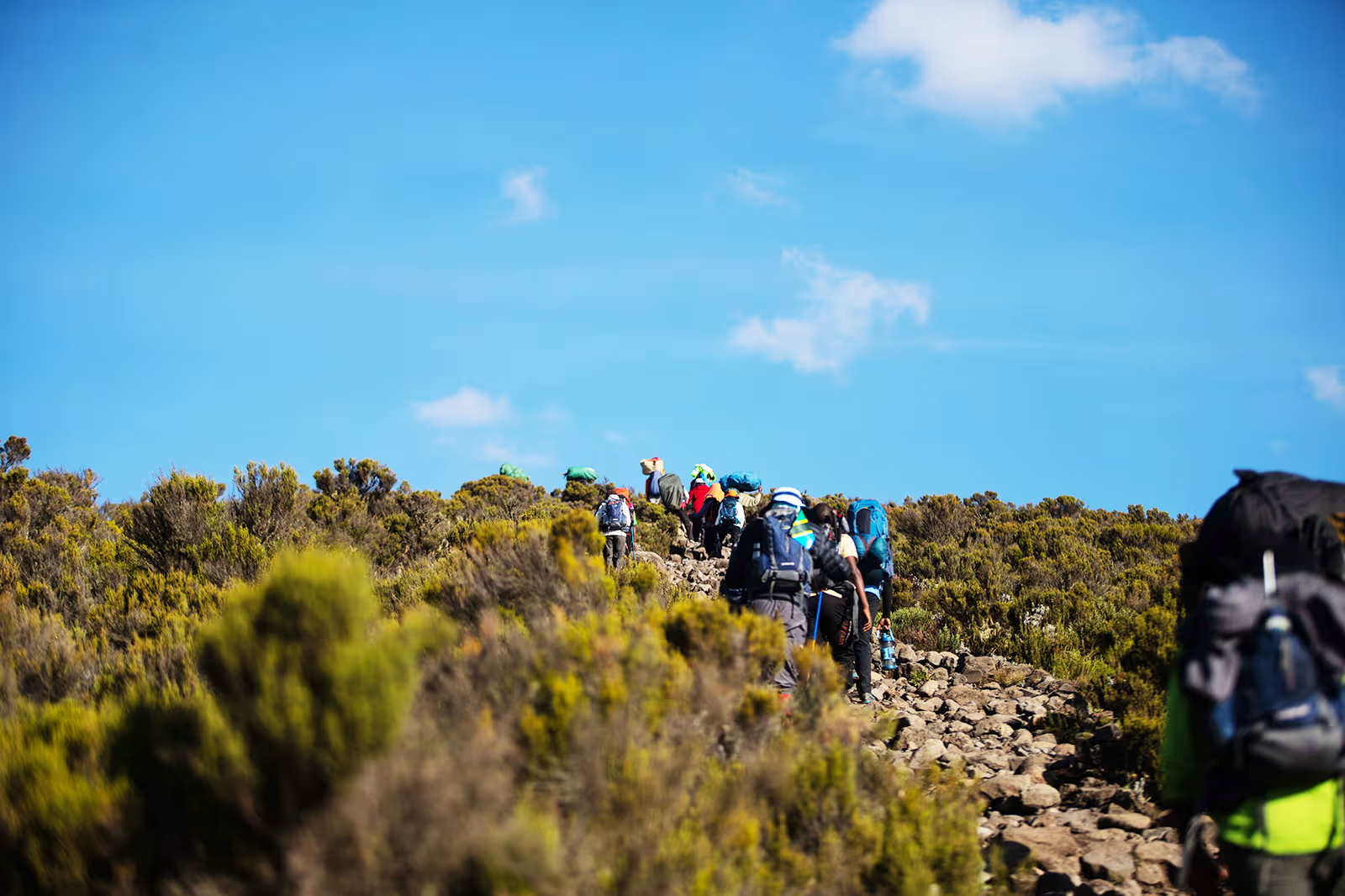
What Is Altitude Sickness?
As you ascend above 2,500 metres, the air becomes thinner — the same volume contains less oxygen. Your body responds by breathing faster, increasing red blood cell production, and adjusting blood chemistry. This process takes time. When you ascend faster than your body can adapt, AMS occurs.
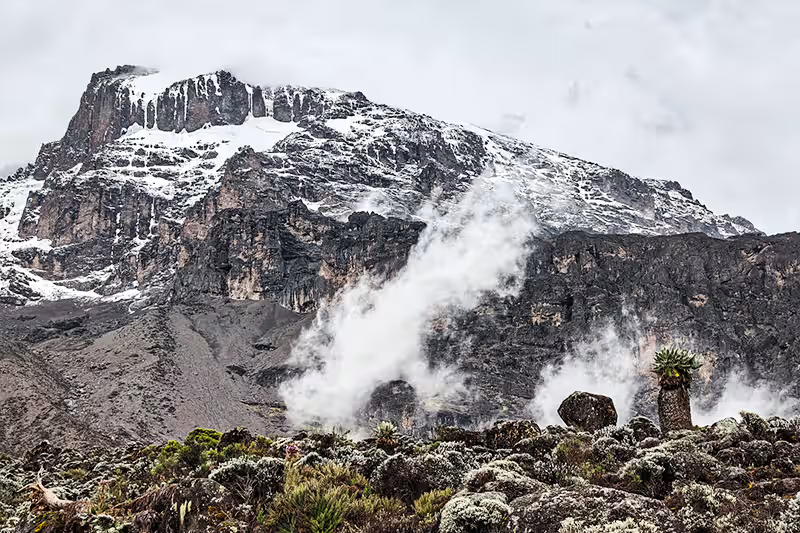
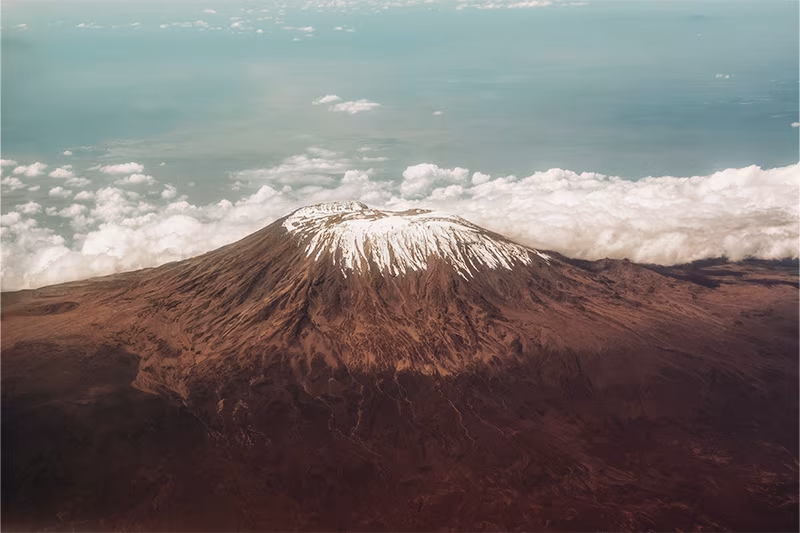
On Kilimanjaro, altitudes go from 1,800m at the forest gate to 5,895m at Uhuru Peak — a gain of over 4,000 metres in 6–8 days. Every climber experiences some degree of altitude discomfort above 3,500m.
Symptoms by Severity
Mild AMS (Common above 3,500m)
- Headache (most common symptom)
- Fatigue and low energy
- Loss of appetite or nausea
- Difficulty sleeping
- Dizziness on exertion
Moderate AMS (Take Seriously)
- Persistent, worsening headache unresponsive to ibuprofen
- Significant nausea or vomiting
- Markedly reduced coordination
- Breathlessness at rest
Severe AMS / HACE / HAPE (Medical Emergency)
High Altitude Cerebral Oedema (HACE) and High Altitude Pulmonary Oedema (HAPE) are life-threatening. Symptoms include severe disorientation, inability to walk straight, persistent cough with pink frothy sputum, and extreme breathlessness at rest. Immediate descent is mandatory.
Prevention: The Golden Rules
- Ascend slowly. Follow your guide's pace — 'pole pole' is not a cliché, it is medical advice
- Choose a longer route. The Lemosho (8-day) and Rongai (6-day) routes have superior acclimatisation profiles
- Hydrate aggressively. 3–4 litres of water per day minimum
- Eat even when you don't want to. Your body needs calories to adapt
- Discuss Diamox with your doctor. Acetazolamide (Diamox) is widely prescribed and effective for prevention
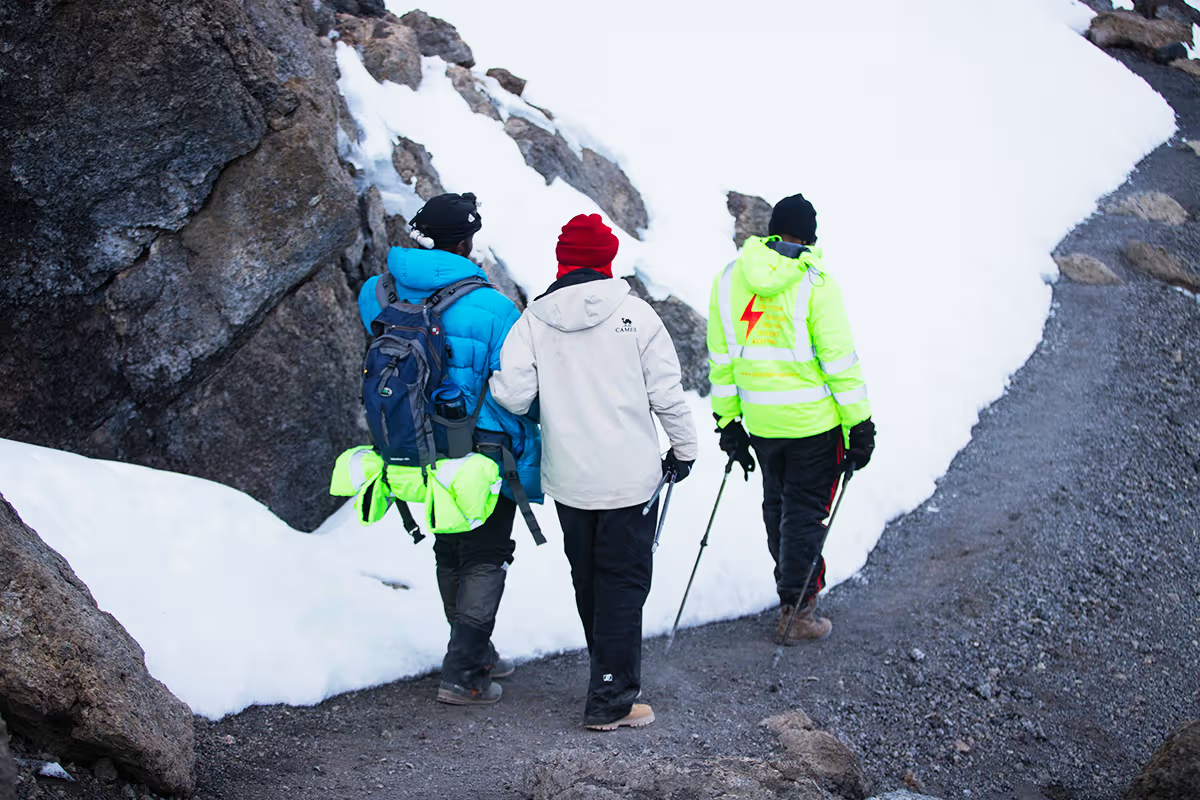
What AMG Safaris Guides Do
Every AMG Safaris mountain guide is trained in Wilderness First Aid and certified by KINAPA. Each morning and evening, your guide will ask about your symptoms and assess your condition. We use the Lake Louise Score and field pulse oximetry to monitor oxygen saturation throughout the climb.
Our policy is simple: if a climber shows signs of moderate AMS that do not improve with rest and hydration, we initiate a managed descent. No summit is worth a life.
Tell your guide how you feel — honestly. Many climbers hide symptoms out of determination or embarrassment. Your guide cannot help you if they don't know. There is no shame in AMS; it affects Olympians and elite athletes as readily as anyone else.
Consult your GP or a travel medicine specialist before your Kilimanjaro climb. They can prescribe Diamox, advise on your personal health risk, and provide a comprehensive pre-expedition health assessment.
Ready to Experience Tanzania?
Turn this article into your reality. Our experts will design your perfect safari — no obligation.